

Category: General Skydiving Skills/Info
Skydiving skills come naturally to some of us, but not so much to others. And skydiving safety is not always intuitive, especially if you don’t have a background in aviation. Learn more about how to skydive safely and effectively with these tips.
-
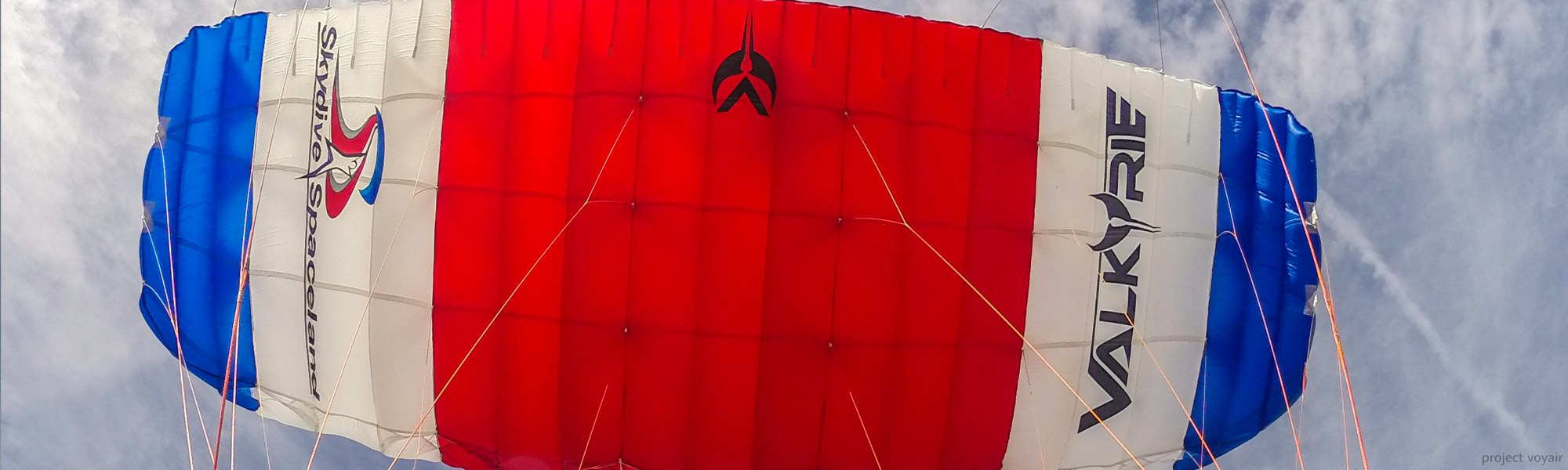
How to Pick Up Your Canopy
Hey, new skydiver! Do you feel confused when picking your gear up off the field? Do you constantly hear “YOU’RE DRAGGING!” being shouted from across the landing area? Do you want to look more like a PRO on your way in?! There’s a whole lot of information thrown at you as a new skydiver, and some of the finer details can slip through the cracks. Hopefully you get a laugh…
-
Parachute Landing Patterns Explained
Have you ever struggled to understand what a parachute landing pattern is and how to modify it for different wind conditions? Check out this video! (Another fantastic edit by Nick Lott!)
-
Manifest General Reminders
If you find yourself at the dropzone, you will most likely be spending some time in the manifest office. With the rapid rate of growth that Skydive Spaceland has been experiencing, we want to spread the word on some general reminders and guides for manifesting and sharing the space of the office. Manifest Basics What to start with: Number of slots you need The minimum call time you can make…
-
Skydiving Airmanship Part 1: Knowledge
“Airmanship is the consistent use of good judgment and well-developed skills to accomplish flight objectives. This consistency is founded on a cornerstone of uncompromising flight discipline and is developed through systematic skill acquisition and proficiency. A high state of situational awareness completes the airmanship picture and is obtained through knowledge of one’s self, aircraft, environment, team and risk.” ‑‑http://www.skybrary.aero/index.php/Airmanship Airmanship is a trait that we as skydivers should aspire to master,…
-
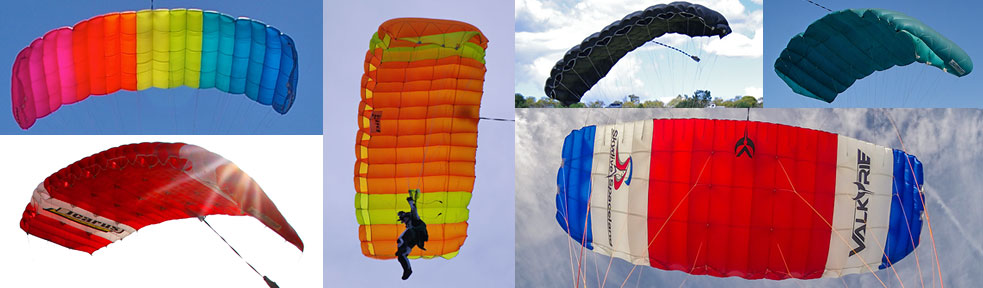
Good Canopies, Bad Decisions
So you are ready to get that shiny new wing, or sell your current canopy. Well caveat emptor[1], good readers. Are you making good decisions about this purchase, or the sale of your “old” wing? We are seeing a disturbing, fatal trend among skydivers worldwide as newer, faster wings come onto the market and older wings become perceived as less high-performance. To help combat this, we all need to examine…
-
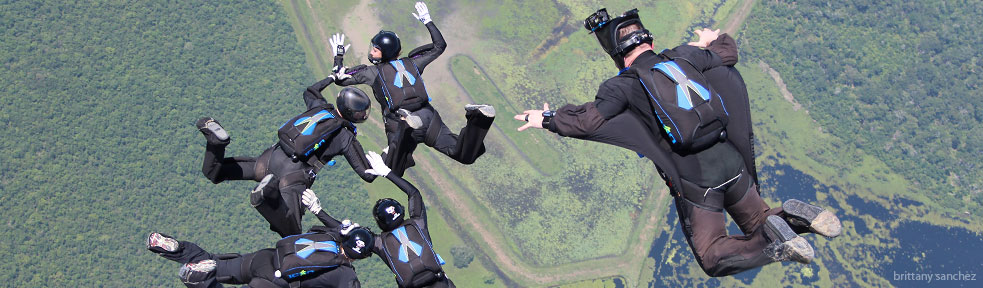
Breakoff Series Part 3: Video Takes the Center, High
It’s a super cool shot to get when you’re flying outside video above a skydiving formation–that shot when the outside camera flyer (who is filming the jump without being a part of the formation) drops into the center as the formation breaks away, probably turning in place to watch everyone track far and fast before deploying. It’s a great shot, that is, as long as everyone is really tracking far and…
-
Breakoff Series Part 2: Flat Tracking
Tracking away from other skydivers well is one of the most vital survival skills a skydiver can have. No matter what kind of freefall skydive you do, unless it’s a Mr. Bill or a solo, you will be tracking to achieve horizontal separation from the other people you are skydiving with before deploying your parachute. Failure to track well and straight can result in collisions with other skydivers as you…
-
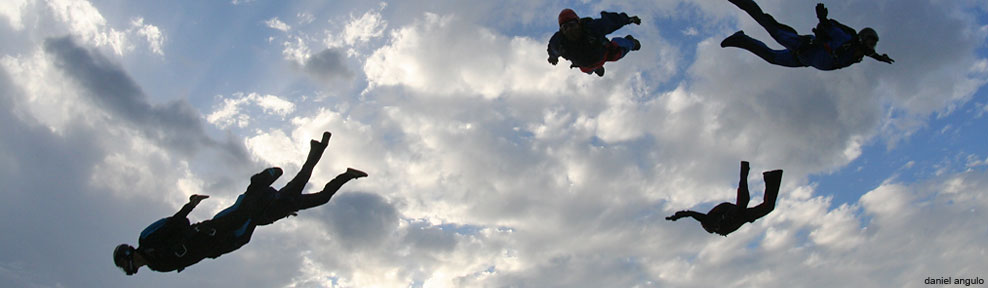
Breakoff Safety Series
As skydivers who want to skydive again (and again, and again…), we tend to pay attention to the highest risk areas for our skydives to make them as safe as possible. We learn as students how to fly and land our parachutes safely, and we take canopy courses to get even better at it. We learn stable body positions for deployment, how to maneuver safely around other skydivers, how to…
-
Breakoff Series Part 1: Planning Breakoff and Tracking
Revised August 2015 Before you hop in the plane for your next jump, here’s some food for thought on safety: Plan your breakoff and tracking just as carefully as you plan the freefall part of your jump. This part of the jump is often neglected because it comes after “the good stuff,” but it is at least as important to your survival as your other freefall objectives, if not more…
-
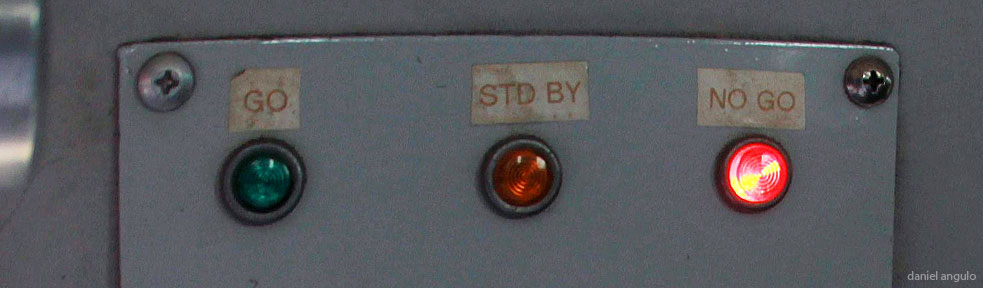
Red Light, Green Light, No Light?
Quick! What do you do if you are on jump run, the green light has been turned on, and then the green light goes out (either the red light comes back on or the green light simply turns off)? Assume the light is broken and proceed with your climbout and skydive. Flip the spotting switch left and right quickly to let the pilot know the light is out, then climb…
-
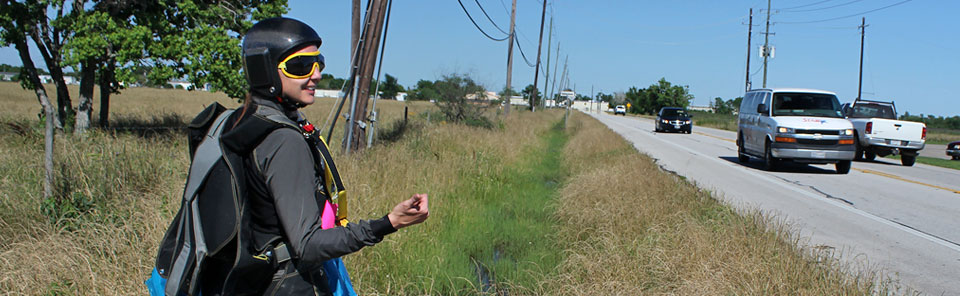
Skydiving? Take Your Phone!
These days, most of us are almost never without our mobile phones. Some even seem to have separation anxiety if they misplace their phones for even a few minutes! 🙂 This week’s tip is good news for the phone-bonded among us, because it’s a recommendation to take your phone with you whenever you skydive. Why, you might ask? Do I really need to get that last selfie on the plane…
-
Altitude Awareness: Do You Have It?
What’s the first thing your skydiving instructor has you do after you leave the plane? Check your altitude. Before and after maneuvers, check your altitude. If you don’t have altitude awareness, PULL! Awareness of your altitude is of paramount importance to our survival in skydiving, and we all know it. And yet we sometimes forget about altitude awareness as we progress as skydivers. We start working on more advanced skills…
-
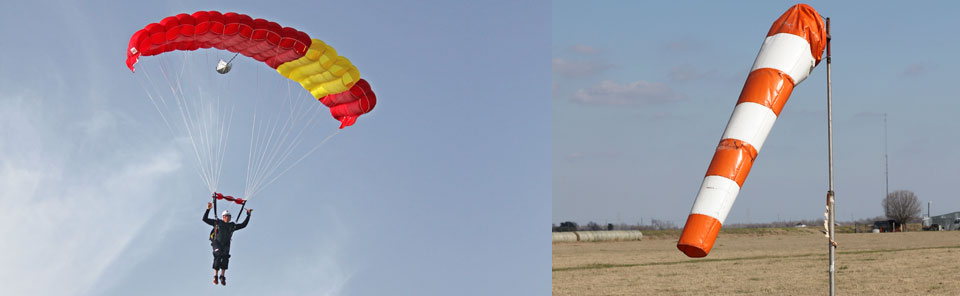
What’s Your Wind Limit?
Gusty winds are common at Spaceland and many other dropzones. As an experienced jumper, I have thought a lot about what my personal wind limit is–in other words, when I will sit down even though the dropzone is not on a wind hold. Recently, I made the decision not to jump after watching other fun jumpers and tandems land. Later in the day, the tandems went on a wind hold.…
-
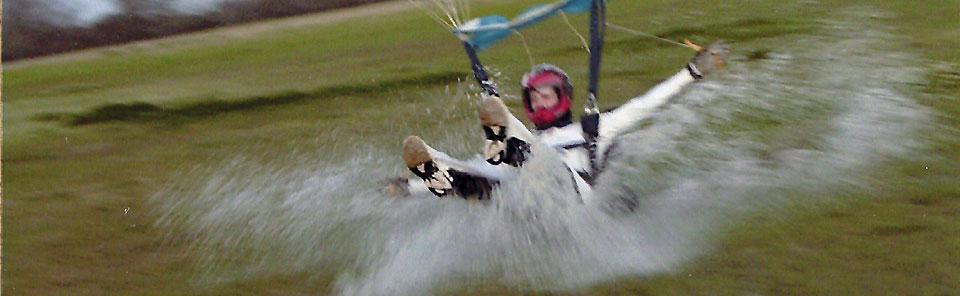
Splish-Splash: Landing in Wet Conditions
Ah spring… Green grass, warming temperatures, and RAIN! One of the most common questions we see in our social media news feeds this time of the year is, “How wet is the landing area?” If you have to ask, the answer is usually “underwater.” 😉 Since we’re not too interested in waiting days for perfectly dry ground to skydive, that means we have at least a fair chance of landing…
-
Emergency Exit!
Current weather reports 1000 foot overcast skies… anyone for a hop & pop? In all seriousness, how low are you prepared to get out of the airplane? Have you thought about what you would do in an emergency since you were a student? A couple weeks ago I was flying, had just taken off from Spaceland (Houston location) in the SuperVan with a load of jumpers, and after waiting for…
-
Flying the Hill: Basics
You’ve probably heard skydivers talk about the “hill” and “flying the hill” when discussing exits from powered aircraft flying horizontally. If you’re unfamiliar with the term, let’s define it! The hill is that transition period between your leaving the aircraft and reaching terminal vertical velocity. When you exit, you are initially traveling horizontally just like the aircraft from which you exited. Gravity works quickly to accelerate you towards the planet,…
-
Skydiving Currency: Use it or Lose It!
Ah, wintertime. We’re lucky enough here at Spaceland-San Marcos to have jumpable temperatures year-round, but cooler days and holidays often result in many of us taking a bit of a break from jumping this time of year. This break can result in a lack of currency, which is an additional risk factor for injury in skydiving. No one wants that! If you are a licensed jumper, but you haven’t jumped…
-
Rigs vs. Doors
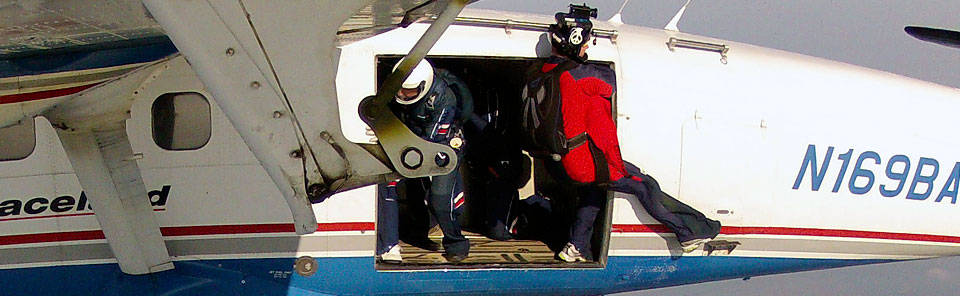
Recently, one of our licensed jumpers took it upon himself to remind us all about keeping our rigs away from the edges of the aircraft door when rotating out to a floater exit. It’s a great reminder for all of us, because it’s far too easy to get too comfortable and complacent about safety aspects such as this when we’re focusing on a crazy new exit or type of skydive.…
-
Special Dives: Low/High Pulls, Toy Dives, Pond Swooping
Low/High Pulls High openings and low passes must take into account the number of airplanes flying, other skydiving activities, and canopy descent rate. We cannot always accommodate low passes or high openings. We cannot guarantee that low-pass jumpers will land alone unless only one plane is flying. Ensure that the aircraft is configured for your exit regardless of your exit altitude. Licensed jumpers wishing to open above 5,500 feet (such…
-
Aircraft/Loading Area Safety and Policies
Winds Aloft This information is posted daily on the board near the aircraft mockups. Also check out our weather page… Loading Area We use loading area 1 (north of the hangar) on cold starts/after fueling, and loading area 2 (northwest corner of hangar) on hot turns. Please be in the loading area on the 5-minute call. You must be fully geared up, ready to jump, before entering the loading area.…
-
Wingsuit Dive Policies
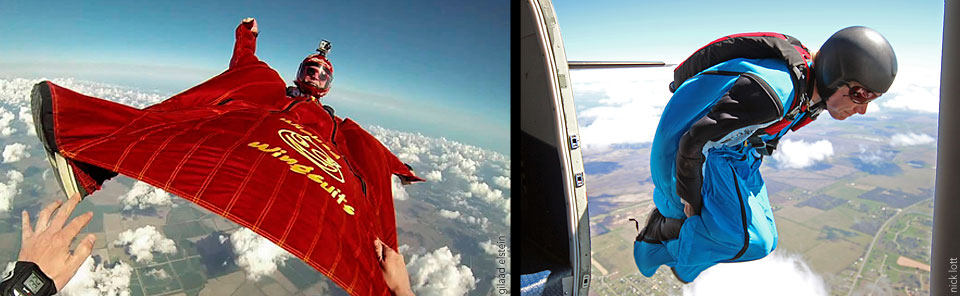
Wingsuit jumps carry many of the same risks as tracking/angle flying because of the horizontal movement component. They can also pose a risk to later-dropping aircraft because of the extremely slow fall rate. They can pose challenges when dealing with malfunctions as well, because of the limited mobility many suits allow the jumper before wings are released. These dives have a higher chance of landing off the DZ. Also, since…
-

New on New
Are you a new skydiver with a shiny new A license? Or maybe you’re a skydiving student already thinking about the fun things you’ll do after you graduate? Congratulations on becoming a part of the global skydiving community! We’re glad you’re here. 🙂 Now let’s talk a little about the skydives you’ll do once you graduate. There are so many choices! One thing we see frequently, perhaps because we are…
-
Skydive Spaceland Camera Policy
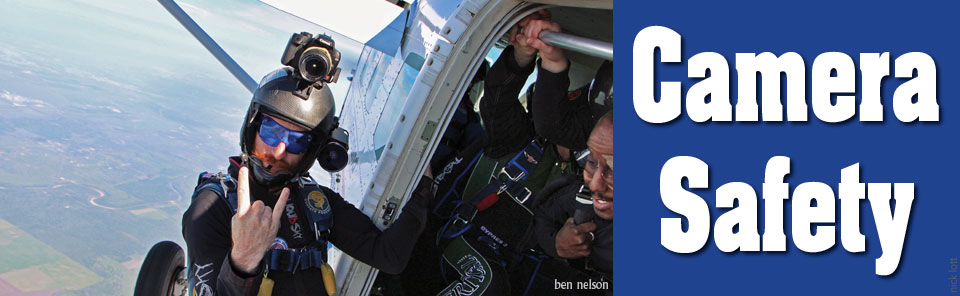
Forrest Gump might have said that skydiving and cameras go together like peas and carrots. It’s an awesome thing to capture what’s arguably the world’s most fun aerial activity with a nice tiny, high-quality camera such as a GoPro. It won’t get in the way, right? You won’t even know it’s there! To go back to our peas-and-carrots analogy, it doesn’t quite fit the skydiving scene in the sense that…
-
Hop and Pop Skydiving Smarts
If you’re a people watcher, observing skydivers preparing for hop and pop skydives (low-altitude exits) is a lot of fun. You see everything from cool-cat, ho-hum, highly experienced swoopers practicing their craft to jumpy first-timers doing their first exits below full altitude, hoping with all their hearts to be stable enough to deploy within the 5 seconds required to graduate from student status. With all that observation, you tend to…
-
Long Hair? Avoid This Skydiving Malfunction
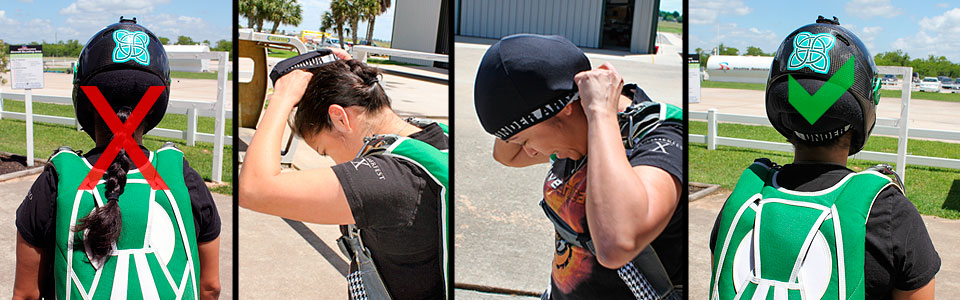
Ah, the feel of freefall on your face, your hair whipping in the wind… wait a minute! If you have long hair (past your shoulders), hair whipping around in freefall is actually a bad thing. Aside from the Gordian knot that often results from 120mph of wind whipping your hair around, hair that is very long can actually cause a malfunction when you deploy your parachute. This is highly unusual…
-
Movement Dive Policies
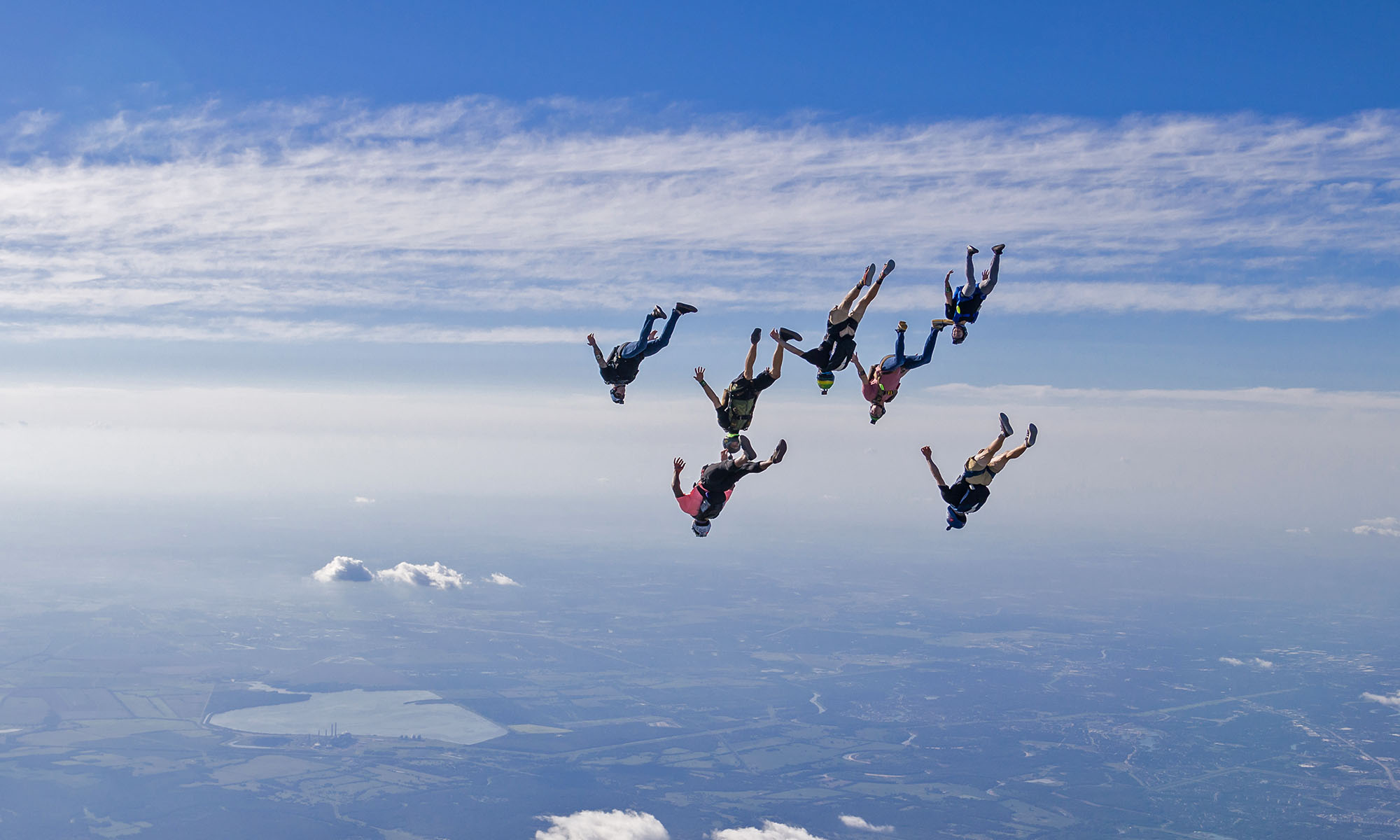
Horizontal movement jumps are fun… free flowing… and inherently potentially much riskier than jumps that fall straight down. Any jump in which jumpers plan horizontal movement other than tracking for separation after breakoff requires good planning and execution to minimize the additional risks to everyone on the load. Above photo by Daniel Angulo! That responsibility is 100% the job of the organizer(s) doing movement jumps, and it should not be…
-
Whose Airspace Is It, Anyway?
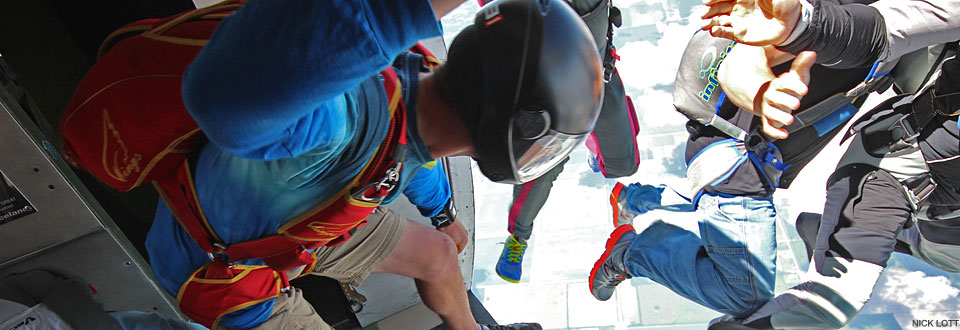
Skydiving often seems like one of the most dynamic, chaotic sports in existence. People are falling from the sky every which way, for cryin’ out loud! 🙂 In reality, the chaos is highly engineered to allow us all to enjoy our dynamic freefallin’ fun while staying safe, and that engineering starts with ensuring that each group on each load has its own airspace column (with the exception of horizontal flying…
-
Exit Separation Between Skydiving Groups
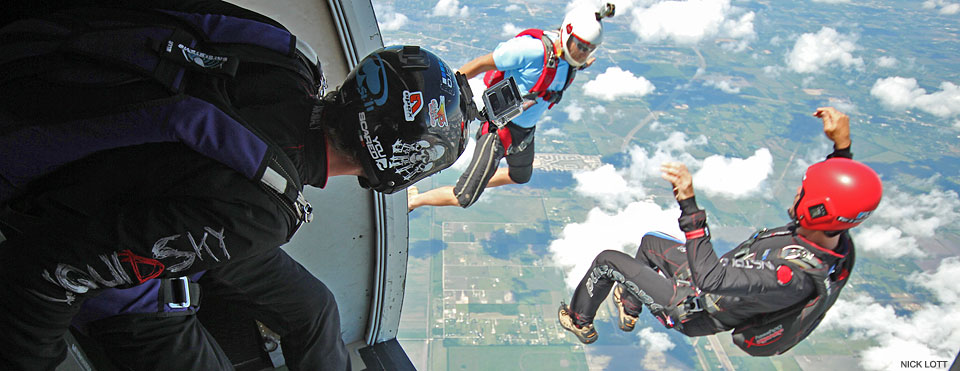
As skydivers, we tend to like to do things together. We like to skydive with our friends, give each other grief about any minor mistakes during the dive, celebrate our successes, and enjoy brews together after sunset. Some people prefer solo skydives on occasion so they can work on skills or just enjoy the sky without distractions. However, there are such things as too much and too little togetherness in skydiving.…
-
Skydive Spaceland Introduces the Safety Stand
What if every drop zone posted their safety policies and daily notes conveniently in one location in the loading area for all jumpers, old and new, to browse and learn while waiting for aircraft? Check that box for Skydive Spaceland! We’ve just posted our own Safety Stand in the hangar, complete with information on: Basic safety guidelines Aircraft safety Camera jumps Tracking dives and who should/should not lead them Wingsuit…
-
Skydiver Training Tip: When to Learn to Pack Your Parachute
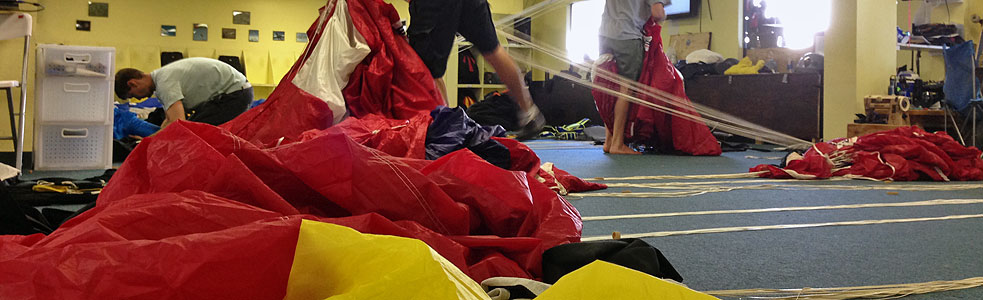
Hello student skydiver! As you progress to ever more awe-inspiring feats of skydiving skill in our Skydiver Training Program, do you ever wonder about the magic that happens before you strap your gear on for the next jump? I refer of course to the magic whereby the billowing parachute, hundreds of square feet of nylon, that you lay down on the packing room floor after a jump is organized and…