

Category: Articles
Tips on freefall safety, parachute flight, rigging, packing, and much more from the instructors, pilots, and riggers at Skydive Spaceland.
-
Skydiver Training Tip: To Land Off or Not?
Scenario: You’re under a good canopy at 2000 feet. You are downwind of the drop zone and aren’t sure you can make it to the landing area. Between you and the drop zone are trees, brush, power lines, and likely all manner of unpleasant critters. Behind you is a wide open field. What do you do? a) Get on your rear risers or toggles, trim out your canopy for a…
-
And Liberty and Pin Checks for All…
As skydivers, we like to do everything right so we can skydive again… and again… and… Lately we have been seeing a number of recent graduates, now unsupervised by instructors, neglecting their pin checks before exit. Perhaps it’s due to distraction when thinking about the upcoming jump, or perhaps you noticed an experienced jumper neglecting a pin check (shame shame!) and thought it was OK. Either way, this isn’t a…
-
Seat Belts in Jump Aircraft: Not Just for Show
I once had an instructor who refused to wear a seat belt in a car. He had managed to defy all odds in two separate car accidents by not wearing seat belts; both accidents threw him out of a car that would have crushed him had he remained inside. Unlike with cars, however, the last thing you want to occur in the (thankfully extremely unlikely) event that you are in…
-
What Kind of Skydiving Helmet to Buy?
Welcome to the world of gear decisions, skydiver! You’ve been jumping an open-face helmet throughout the student program, but you’ve been seeing a bunch of the cool kids on the drop zone jumping full-face helmets of various styles. What’s right for you? Your preferences will, of course, drive your selection. Here are a few things to think about as you shop: Full-face helmets These are highly recommended as they offer…
-
How to Open/Close a Super Otter/Supervan Skydiving Door
Have you had the chance to open the jump door on one of our Super Otters or SuperVans yet? No? Are you nervous about it? Fear not, we have the scoop! Whether you’ve operated the door yet or not, chances are great that you’ll learn a valuable tip or few from our latest YouTube video on how and when to safely operate the side jump doors on a Super Otter…
-
Skydiver Training Tip: Taking the Next Step
“Congratulations, you’ve just earned your skydiving A license!” “WooHOO! … “…now what?” When a skydiver graduates from our Skydiver Training Program, some hit the air flying hard and never look back. Often, however, a graduate will wonder a little bit about what to do next. Your skydives up until this point have been tightly structured, and now you’re just being turned loose? What kind of jumps should you do? Should…
-
Loading Area Etiquette
Getting ready to board an aircraft for skydiving is more than a little different than boarding a plane for commercial travel or getting in a car for a drive. There are concerns for personal safety, the safety of others in the plane (and the plane itself), and efficiency. Stay safe and efficient with these loading tips! Personal Safety Complete your gear checks before the plane pulls up. This means 3 rings,…
-
Skydiver Training Tip: Cool Weather Gear
We may be in southern Texas, but the weather is definitely cooling down! Skydiving in wintertime brings a few challenges we don’t have in summer, namely how do we stay warm while staying safe? The heavy winter clothes you need to avoid frostbite can bite you in other ways, especially those big, bulky hoodies we love so much. Loose, floppy clothing can obstruct your handles if you jump without a…
-

Skydiver Tip: Weather Watching
“What’s the weather like today? Is it good for students? What about experienced jumpers?” If we had a dollar for every time we got that phone call, text, or Facebook message, we’d all be retired. 🙂 And as you know, the answer is usually a variety of “You can’t jump if you’re not here.” In all seriousness though, weather and its nuances are critical to whether we can skydive or…
-
Skydiver Training Program Tip: How Many Dives in a Day?
It’s one of the most common questions we get about the Skydiver Training Program (other than price): How many training jumps can I do in a day? How many SHOULD I do in a day? While the ideal number of jumps in a day will of course vary with the student’s fitness, goals, and budget, there is one very strong recommendation we make for everyone: Every time you show up…
-
Skydiver Training Tip: Your First Skydiving Gear Purchase
When you’re about to graduate from our Skydiver Training Program, it’s time to start thinking about getting your own gear, and the accessories (helmet, goggles, altimeter) are the best place to start. We provide everything you need during the program, but afterwards you will need to rent our gear or buy your own. It’s a great idea to go ahead and get your own accessories for a number of reasons:…
-
Skydiver Training Tip: Call Ahead to Reduce Your Wait
No one likes to wait for anything—doctors, prescriptions, someone to get the right size of shoes out of the stockroom, or even the 60 seconds you’re supposed to wait before spitting out your mouthwash. While they say all good things come to those who wait, some good things can come without waiting, especially if you plan ahead. When it comes to Skydive Spaceland’s Skydiver Training Program, we highly recommend that…
-

Top 11 Things to Know About Movement Jump Safety
How often have you heard this at the drop zone? “Hey, let’s go track!” or “Hey, let’s go do some angles!” Movement jumps are extremely popular at most any drop zone in the world, and with good reason: They’re a ton of fun! But they are most definitely not just another skydive. Key Point: It’s extremely important that everyone doing movement jumps understands one critical fact: It is 100% YOUR…
-
Skydiver Training Tip: Paperwork is Homework
Are you ready to skydive? If you show up for a Skydiver Training Program jump without having completing your paperwork (dive flow quiz) for each jump you intend to make that day, the answer, sadly, is “not yet.” Why is this quiz important? It tells us that you have studied your student manual and that you are mentally prepared for your skydive. This preparation also will get you in the…
-
Skydiver Training Program: Early Birds Get the Jumps!
Birds and worms aside, the Skydiver Training Program student who checks in early definitely gets the jumps. Aside from just having more time in the day to skydive, there are a number of other benefits to early morning check-ins: Winds are usually lower. Wind conditions are usually less turbulent. Temperatures are cooler. You get on the schedule early and can plan out your jump day before the sleep-ins. You are…
-
Skydiver Training Program Tip: Study for more fun!
The Skydiver Training Program at Skydive Spaceland gives you a lot of detailed information to help you become the best skydiver you can be. You can increase your success and fun on each skydive by studying the dive flows before you come out to the drop zone. Study as many dive flows as you plan to do for the day, and if you have any questions for your instructor or…
-
Exit Order and Aircraft Boarding
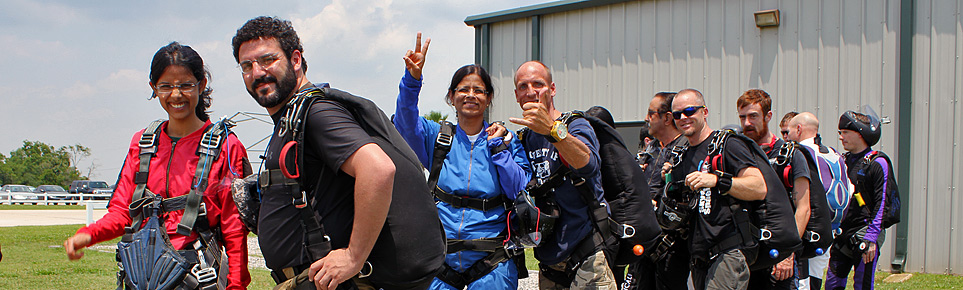
If there is anything consistent among a group of skydivers, it’s the fact that we all want to make more skydives! Often what stops us is money or time, but other times it’s just plain running out of daylight. We can’t hold the sun up in the sky to get more time, but every skydiver can work to make aircraft boarding more efficient and thus allow more loads in a…
-
What Line Type for My Parachute?
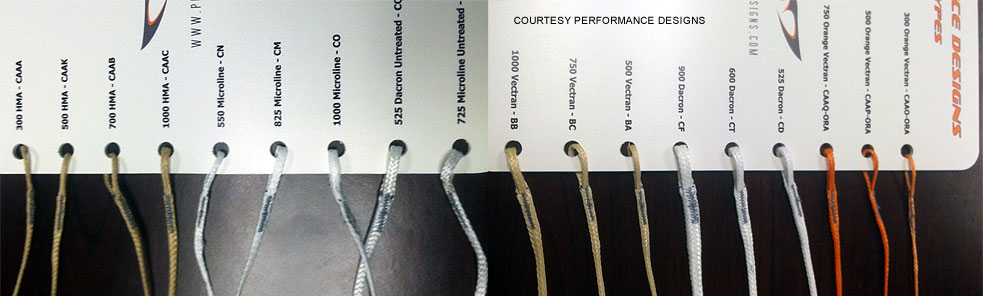
What line type should I have on my parachute? This is a question that rarely comes up until someone has already decided on what canopy to buy, but then causes a reason to pause because no one wants to spend that much money and make a wrong decision. But who do you ask? What’s the right answer? Skydive Spaceland’s Pro Shop has more than 15 years of experience in gear sales…
-
Landing Area: New Reference Line
Have you ever landed your parachute just a little closer to an obstacle than you would have liked? Of course you have. All of us do as we begin to learn how to skydive and fly parachutes. So how do we NOT land too close to or on top of obstacles? We need to understand a number of things… what kind of performance our chosen parachutes provide, how that performance…
-
Parachute Landing Patterns
Wind conditions anywhere can be extremely inconsistent… from 30mph to dead calm conditions, it’s important that we have a consistent canopy landing pattern plan that keeps everyone safe. Following are several guidelines we follow here at Skydive Spaceland to keep traffic moving consistently and predictably, thereby reducing the chances for a collision. Take heed of the notes below… All canopy pilots are gliders; we have no engines to go-around and…
-
Judging Roles
Let’s take a quick pause on rules, and discuss the various judge’s roles and who can help you with a question or a problem. For starters, take note that a judge’s rating and their role are not the same thing. Judges are rated (in the U.S.) as Regional, National or FAI Judges. This rating is indicative of the level of training a judge has completed and what level of event…
-
Recent Changes in Judging Procedures
Editor’s note: “From the Fishbowl” is a series of short articles by U.S. National Judge Randy Connell, and it is intended to educate competitors about commonly misunderstood or little-known rules of formation skydiving. References will often be made to the Skydiver’s Competition Manual (SCM). At the USPA Board Meeting in February, the USPA Competition Committee approved changes in some of the rules in the Skydiver’s Competition Manual (SCM) governing judging procedures…
-
Brake Line Length
Are your parachute landings not as nice as you’d like? Have they gotten a little worse over time? The problem may be with the pilot… but then again, it might be with the brake lines you use to control your parachute. As the parachute opens, the friction from the slider grommets traveling down the lines heats the lines, and over time and hundreds of openings, the heat will gradually shrink…
-
Save a Life! (Look for Misrouted Chest Straps)
Want to be a hero? Keep an eye on your friends’ gear when they’re getting ready to skydive or sitting in the plane. It can be easy to misroute a chest strap when you’re inexperienced, in a hurry, or just plain not paying attention, but this error can be caught with a careful inspection. In other words: Don’t be, and don’t let your friends be, this guy: Here are a…
-
Right Seat Safety
Riding in the copilot’s seat is a treat, but this seat requires a bit more attention to safety than a spot on the benches in the back of the plane. Here are a few tips on right seat safety from air boss Rabbitt Staib: No helmets in your lap–they restrict movement of the yoke. Don’t touch any aircraft controls at any time. Stay low when climbing into and out of…
-
3-Ring Maintenance
The three-ring parachute release system was brought to the skydiving world by Bill Booth (the guy with the ZZ Top beard from the tandem video you probably watched at some point) to replace the Capewells that were in common use. For any more questions about history/function, feel free to drop into the loft to see Kyle or Rory. Q: How often should I service my three-ring? A: Most manufacturers recommend servicing…